

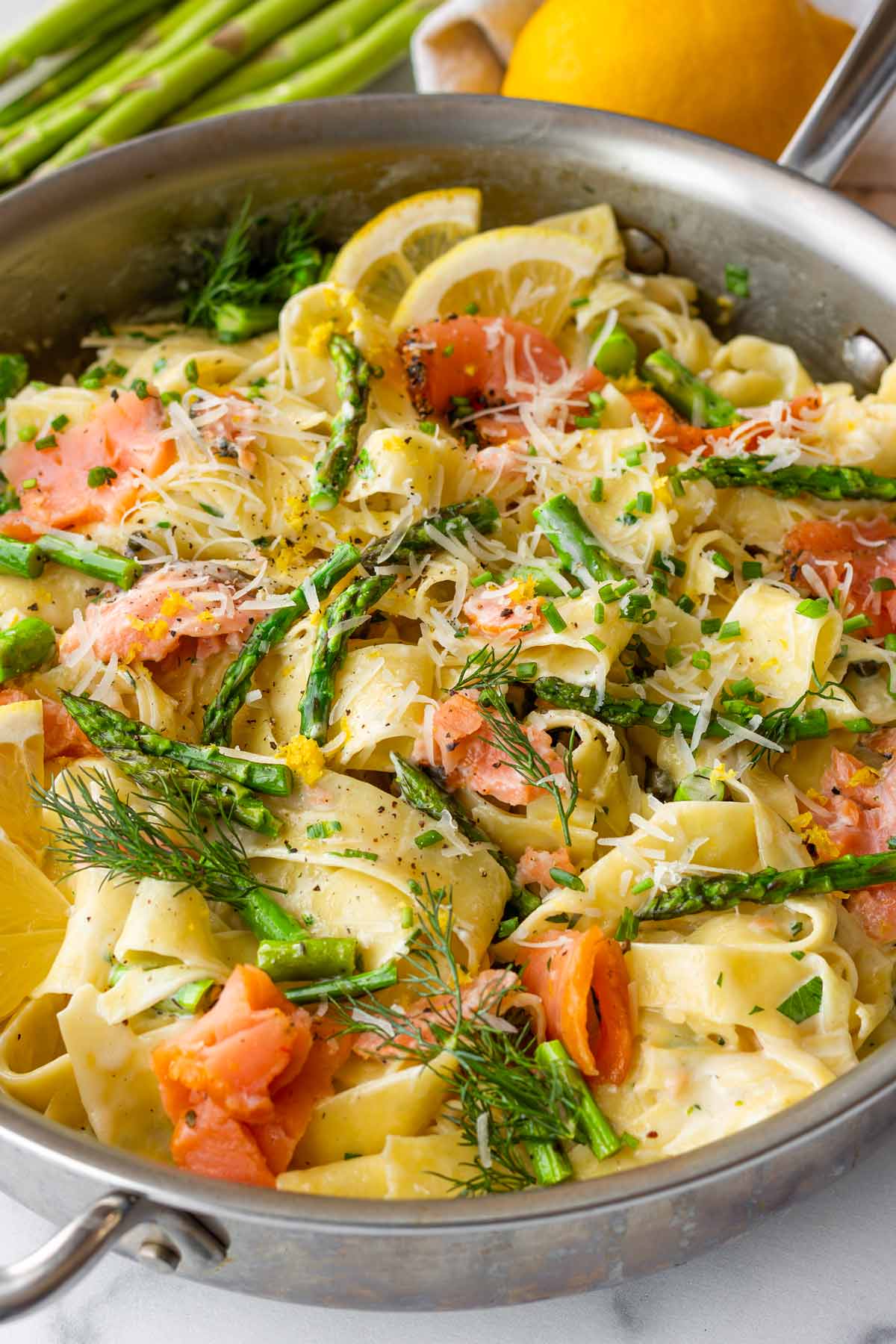
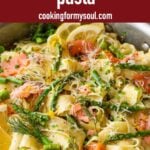
I love an easy weeknight meal that feels a little fancy but takes little effort to make, and this Smoked Salmon Pasta is just that! It’s incredibly delicious and comes together in only 20 minutes.
The standout here is the lemon cream sauce! When paired with fresh asparagus and vibrant herbs, every bite of this salmon pasta is vibrant.
Quick Look: Smoked Salmon Pasta
- Prep Time: 5 minutes, Cook Time: 15 minutes
- Total Time: 20 minutes
- Method: Stovetop
- Main Ingredients: Smoked salmon, pappardelle, heavy cream, asparagus, fresh lemon juice
- Flavor Profile: Creamy, savory, bright and lemony
- Ideal for: Busy weeknights, date nights at home, fancy dinners

Jump to:
The Lemon Cream Sauce
The lemon cream sauce really takes this smoked salmon pasta to the next level with the brightness from the lemon. It’s similar to my Creamy Lemon Pasta recipe. It has a smooth, velvety consistency that lightly coats the long ribbons of pappardelle pasta without feeling heavy.
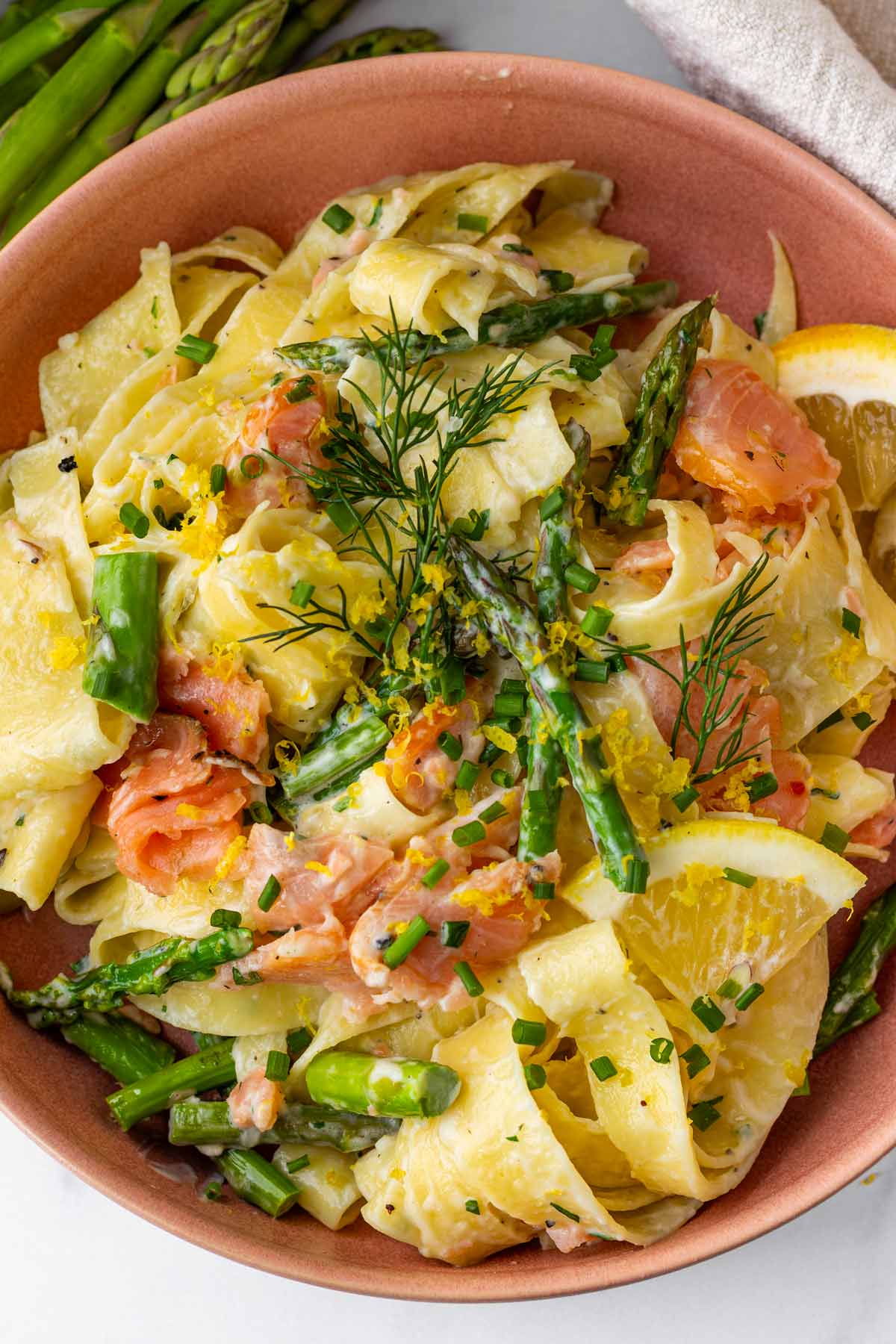
Quick tip! To prevent curdling, I follow the same method used in my creamy lemon chicken recipe by 1) using heavy cream as it’s more stable, and by 2) adding the lemon juice gradually over low heat at the end so the sauce stays smooth and cohesive.
Ingredient Notes
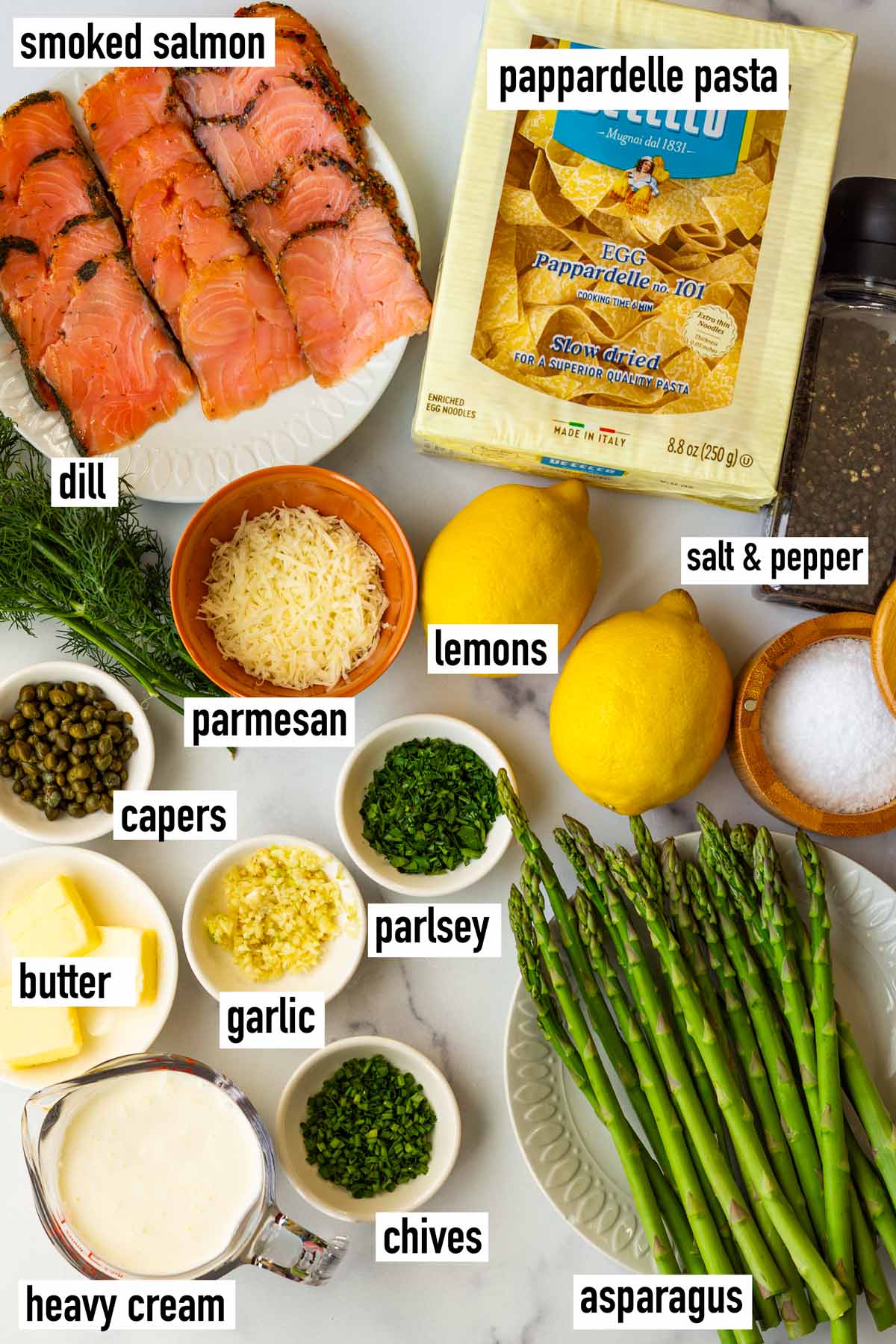
- Pasta: For this salmon pasta recipe, I love using pappardelle because the wide ribbons hold the sauce so well, but you can use any pasta on hand, whether it’s long pasta or short pasta.
- Smoked salmon: Amazing smoky flavor that folds in at the end keeping things easy. No cooking required, but if you prefer it more cooked, you can definitely do that! It should only take 2 minutes.
- Asparagus: My go-to spring veggie! Asparagus provides a crisp tender bite and a beautiful bright green color.
- Fresh lemon juice and lemon zest: I add both at the end for brightness since it wakes up all the flavors. Use freshly squeezed lemon since bottled doesn’t do this dish justice.
- Capers and minced garlic: These flavor boosters add a briny pop and savory depth.
- Heavy cream: I always use heavy cream for a silky, stable sauce. I don’t recommend using milk or half-and-half (it will curdle).
- Parmesan cheese: The cheese melts right into the sauce, so use freshly grated. Pre-shredded cheese often comes with preservatives that can make it gritty.
- Fresh herbs: Chopped chives, Italian parsley, fresh dill.
- Other: Unsalted butter, salt and pepper.
Ingredient quantities can be found in the recipe card down below.
Substitutions and Variations
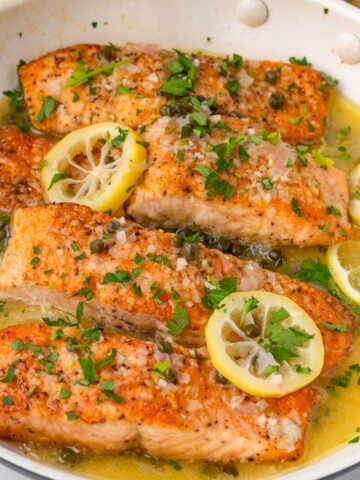
- Salmon: If you’d rather use a fillet of fresh salmon, try my Creamy Salmon Pasta.
- Pasta: Spaghetti, fettuccine, angel hair, rotini, farfalle, and rigatoni.
- Capers: Chopped green olives are a great swap for a similar briny flavor.
- Make it spicy: A dash of cayenne pepper or sprinkle of red pepper flakes.
- Veggie add-ins: Peas, spinach, zucchini, broccolini or yellow squash. Cherry tomatoes are great too!
How to Make Smoked Salmon Pasta
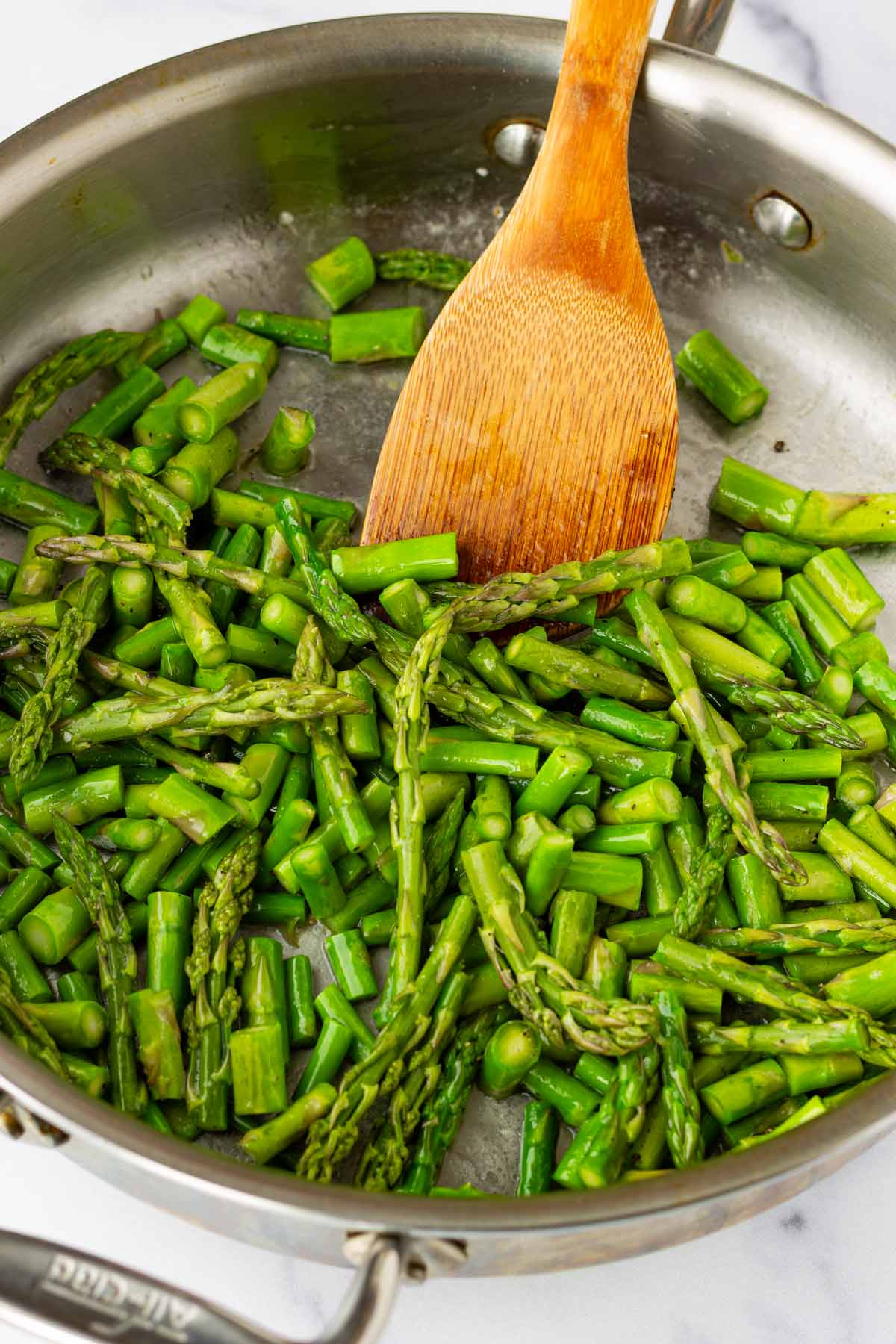
- Cook pasta and asparagus. Cook pasta per package directions and reserve 1 cup of pasta water. For the asparagus, melt a tablespoon of butter in a skillet over medium heat. Saute for 3-4 minutes. Season with salt and pepper, then remove from the pan.
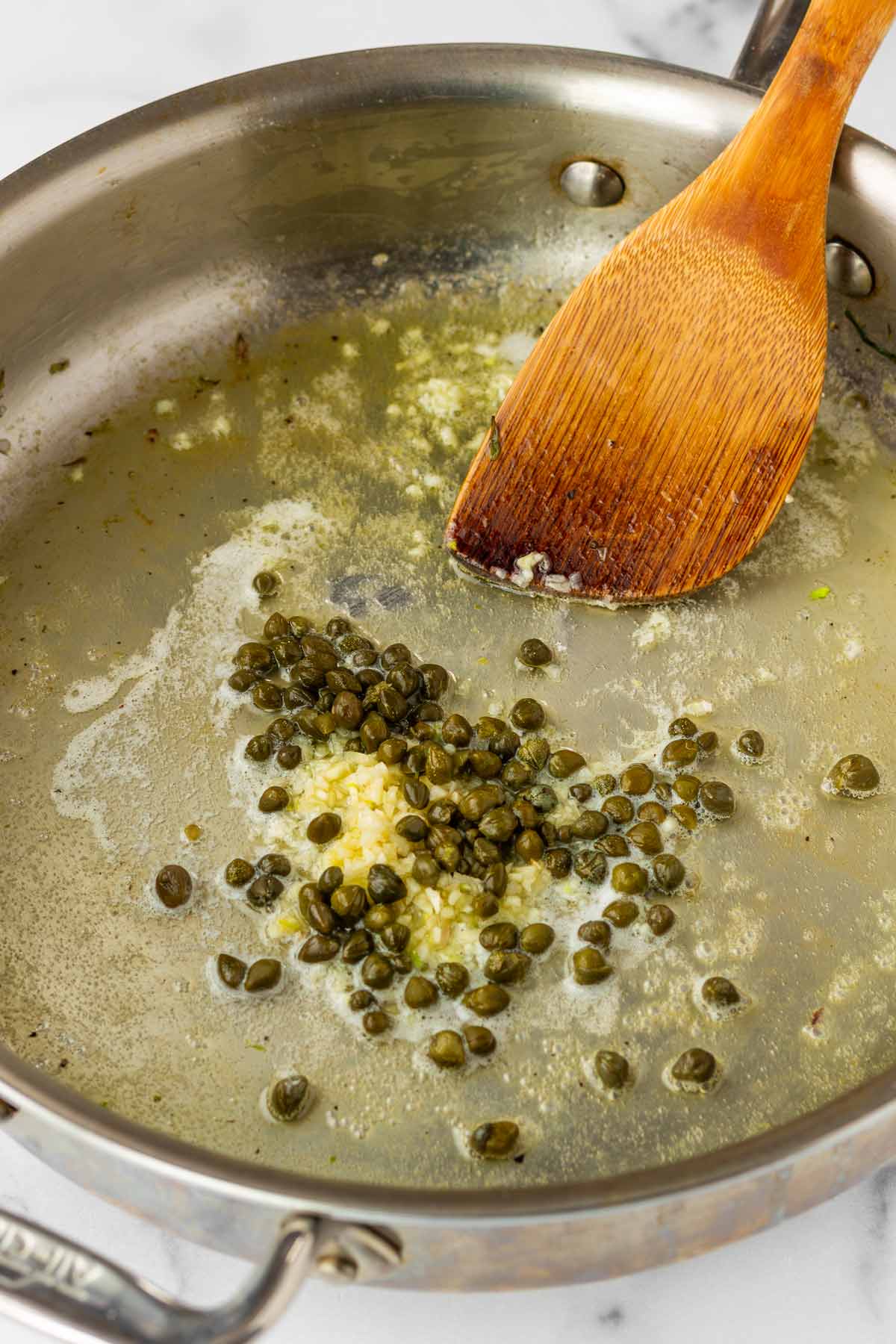
- Aromatics for sauce. In the same skillet, melt the remaining butter, then saute minced garlic, capers, lemon zest for about 1 minute until fragrant, without browning.
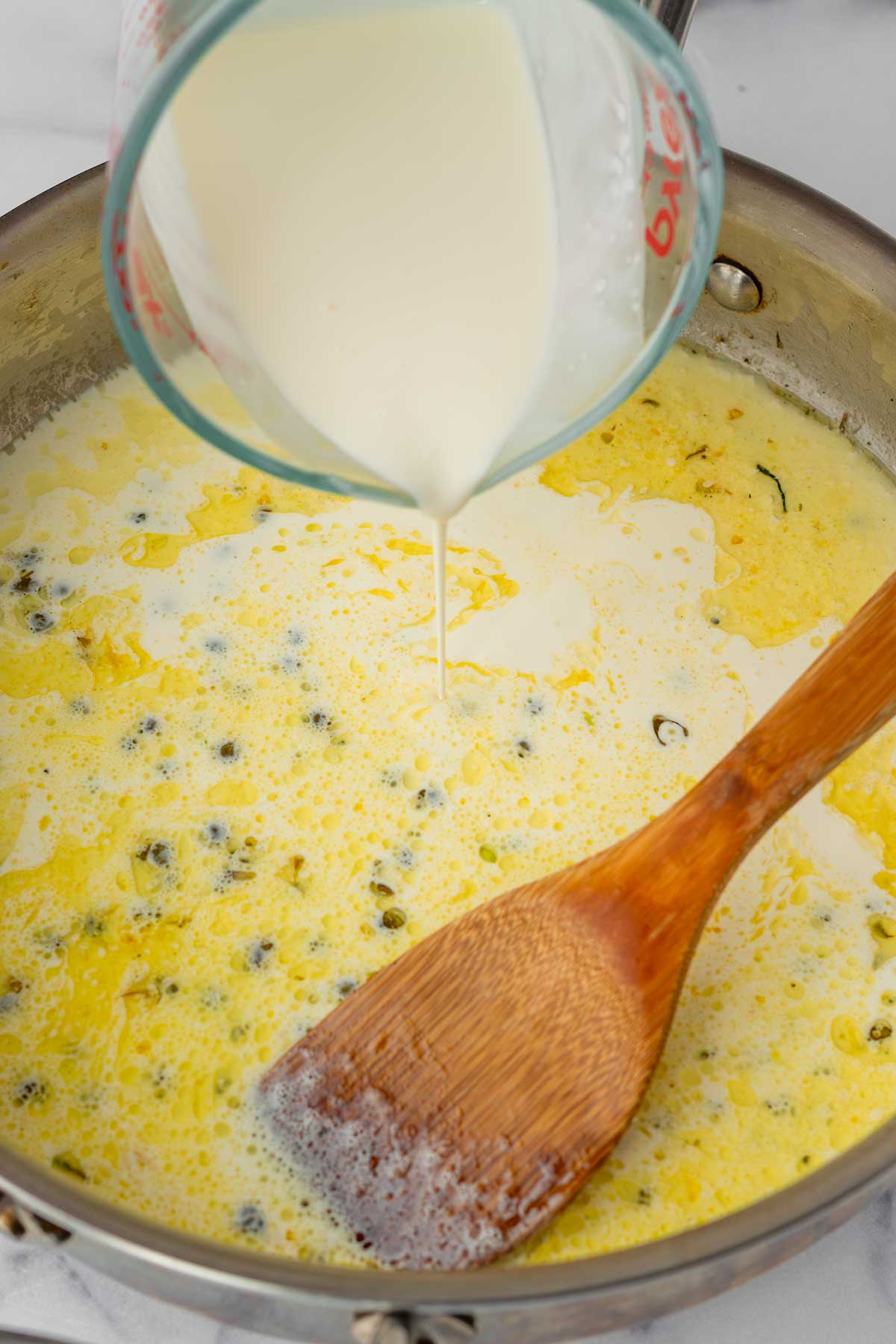
- Make the sauce. Pour in heavy cream and simmer over low heat for 2-3 minutes, stirring.
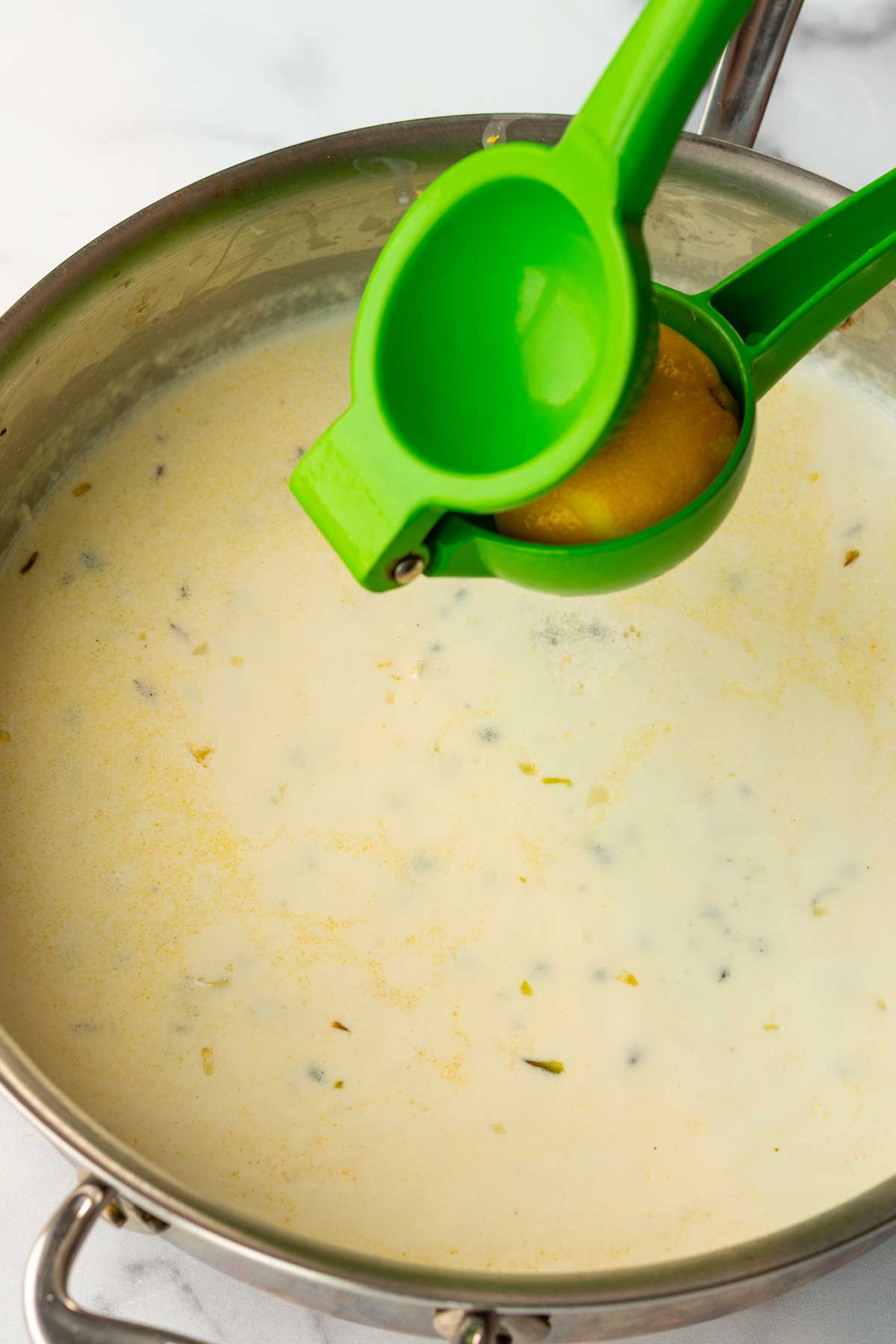
- Add lemon. Once simmering, add freshly squeezed lemon juice over low heat to keep it silky.
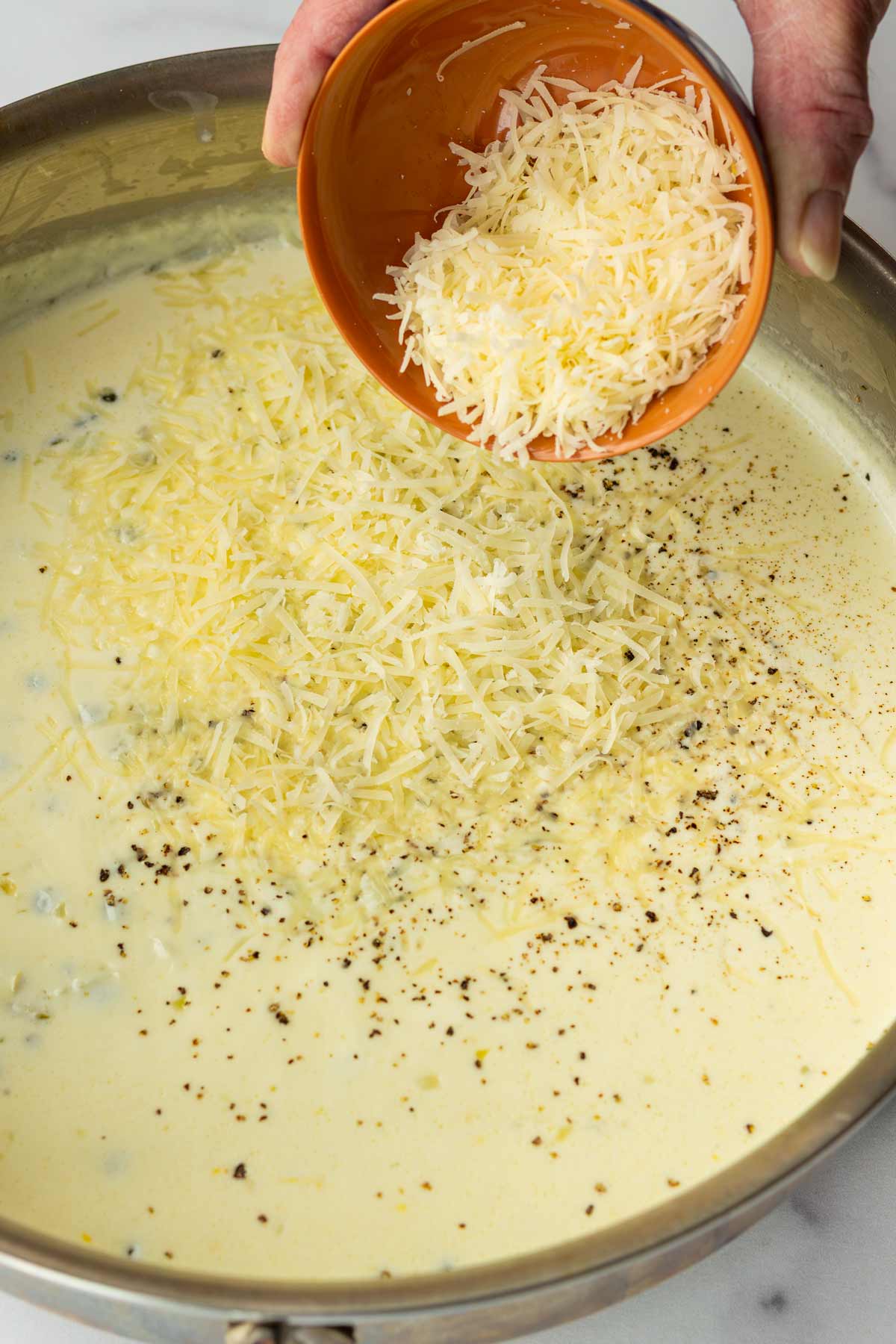
- Stir in parmesan until melted and sauce thickens. Season with salt and pepper to taste. Tip: If the sauce is too thick, add a splash of the pasta water to loosen.
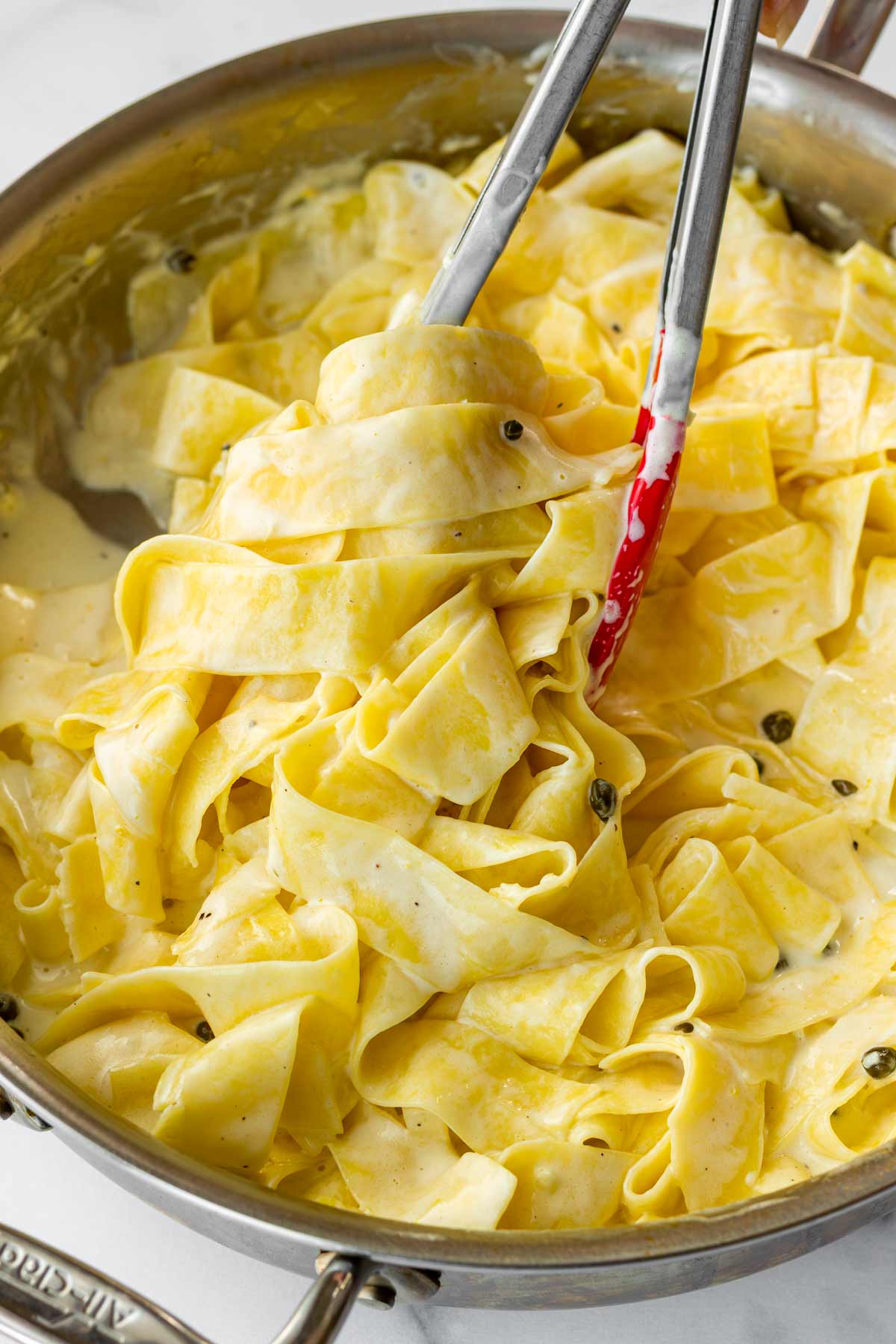
- Stir in pasta. Add pasta, as well as chopped chives and parsley, until well coated with the sauce, adding more pasta water as needed for a smooth texture.
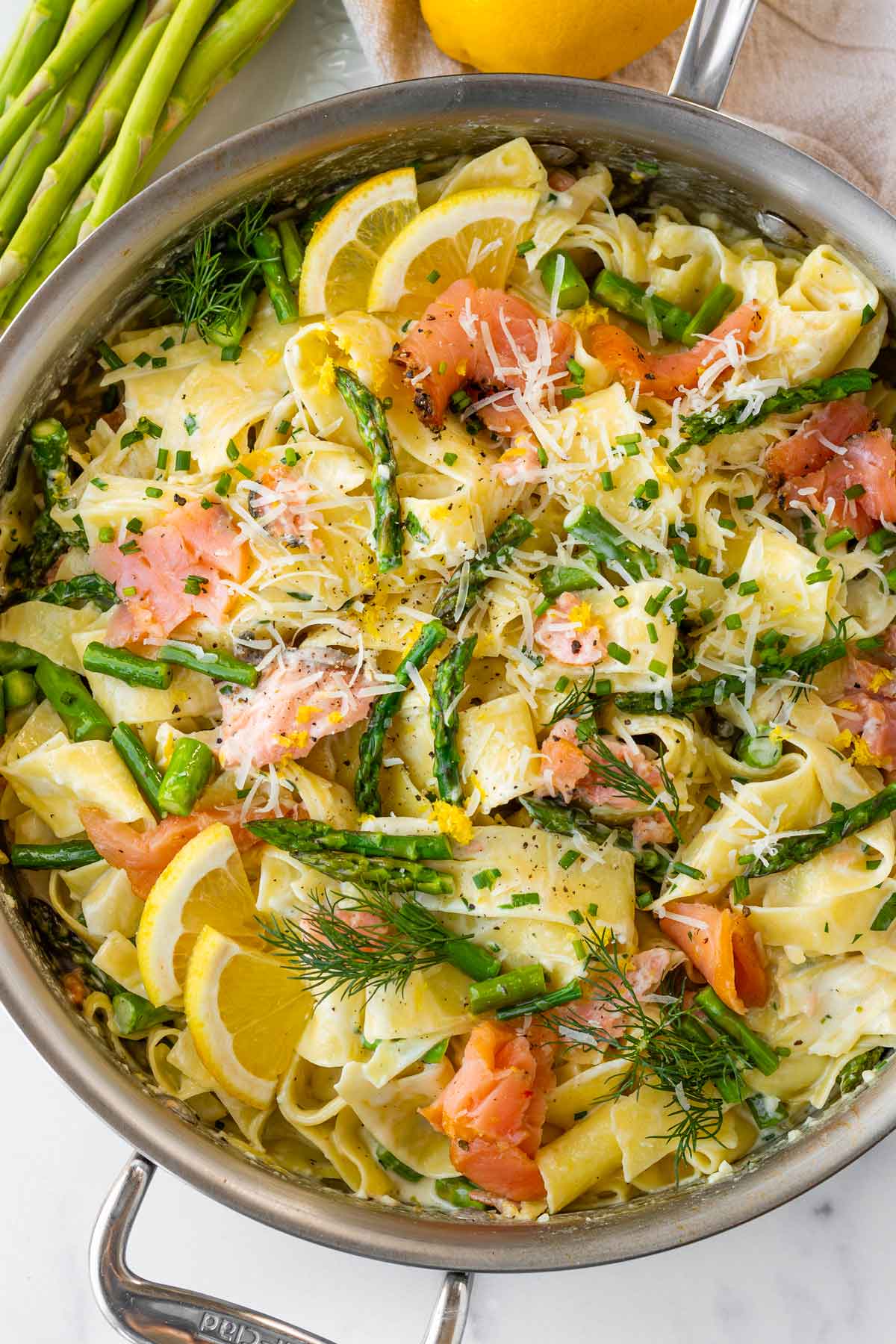
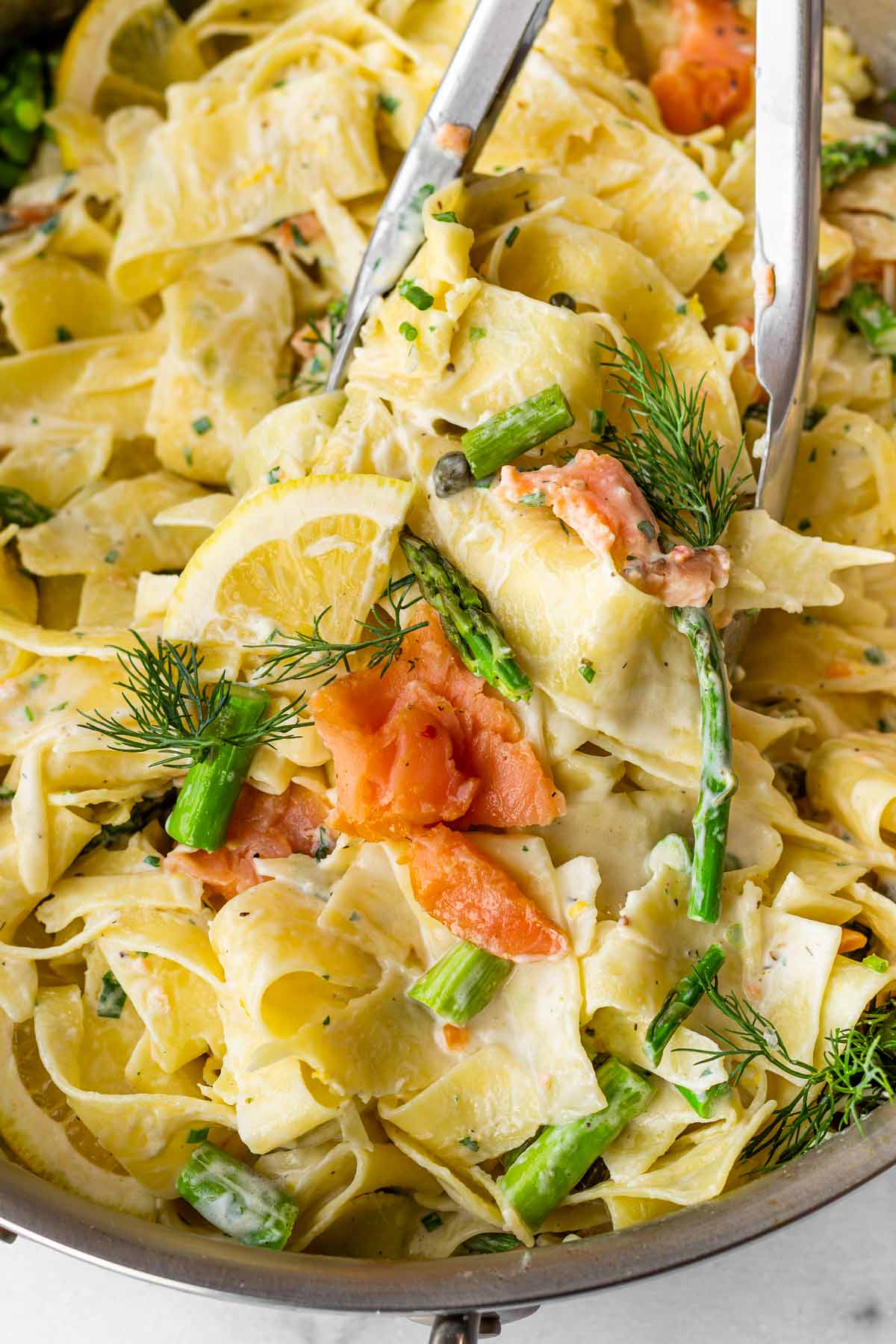
- Fold in smoked salmon and asparagus until just combined and warmed through. Season to taste and serve with parmesan, fresh herbs and lemon zest. Truly the best smoked salmon pasta!
Tips for Success
- Don’t overcook the asparagus. I cook it until it’s just crisp tender and it’s vibrant green, as it will continue to soften with residual heat once it’s out of the pan.
- Gently warm the cream. I keep the heat low once the cream goes in so this helps the sauce stay smooth and prevents it from breaking or separating, especially since we’re using lemon juice.
- Reserve some pasta water. You’ll most likely need it to finish the sauce.
- Add salmon at the end. It’s best to fold the smoked salmon in right at the end so it doesn’t overcook.
- If you want the salmon more cooked, add it earlier. You can add it in when you toss the pasta so that it gently warms in the sauce.
Recipe FAQs
Yes! Just season the salmon fillets, sear in a hot pan until cooked, then flake it into large pieces and gently fold it into the pasta at the end.
No, milk or half-and-half don’t react well with acid (the sauce can break). On the other hand, heavy cream has more fat, which makes it more stable and suitable.
I’d highly recommend fresh herbs here. The freshness is the highlight of this smoked salmon pasta.
I cook until just crisp tender and bright green. It will continue to soften from the residual heat anyway.
Storage, Reheating and Freezing
Storage: Store any leftovers of your smoked salmon pasta in an airtight container in the fridge. It will keep for 2-3 days.
Reheating: Reheat gently over low heat on the stovetop with a splash of cream to loosen the sauce back up, as it will thicken when stored.
Freezing: I don’t recommend freezing. Cream-based sauces don’t maintain the same consistency once thawed.
What to Serve with Smoked Salmon Pasta
This recipe goes well with almost any side dish! Some of my favorites are bread, salad, and extra veggies. Here are some of my favorites::
Bread: I love serving this with warm, crusty Cheesy Garlic Bread to soak up the sauce.
Soup or salads: A simple green salad like this Fresh Spring Salad or our family’s signature house salad. If you love soup, try my Cream of Asparagus or Cream of Broccoli.
Veggies: This Roasted Parmesan Broccoli and Lemon Green Beans make a fresh, seasonal side that complements the beautiful dish.
I’d love to hear from you! If you loved my recipe, please consider leaving a 5-star rating and a comment down below. Sign up for my newsletter and follow along on Instagram, Facebook, or Pinterest
Smoked Salmon Pasta
Ingredients
- ½ pound pappardelle pasta - or your favorite pasta
- 1 tablespoon unsalted butter
- 2 cups chopped asparagus - tough end trimmed
- 2 tablespoons capers - drained
- 2 tablespoon finely chopped fresh chives - plus garnish
- 1 tablespoon finely chopped fresh Italian parsley - plus garnish
- Fresh dill - for garnish
- 8 ounces smoked salmon
Creamy lemon sauce:
- 3 tablespoons unsalted butter
- 3 cloves fresh garlic - minced
- Zest of 1 lemon – plus more for garnish
- 1 ½ cup heavy cream - plus more to taste, do not use milk or half-and-half
- A squeeze of fresh lemon juice - to taste
- ⅓ cup freshly grated parmesan - plus garnish
- Salt and pepper - to taste
Instructions
- Cook the pasta: Cook the pasta according to package directions until al dente. Reserve about 1 cup of pasta water, then drain and rinse through cold water to stop the cooking process.
- Sauté asparagus: Meanwhile, melt 1 tablespoon butter in a large skillet over medium heat. Add the chopped asparagus and sauté for 3-4 minutes until bright green and just crisp tender. Season lightly with salt and pepper. Remove from the pan and set aside.
- Aromatics for the sauce: In the same skillet, melt 3 tablespoons butter over medium heat. Add the minced garlic, capers, and lemon zest and sauté for about 1 minute until fragrant.
- Add cream and cheese: Pour in the heavy cream over low heat. Let it gently simmer for 2-3 minutes, stirring occasionally. Add a squeeze of fresh lemon juice to taste until smooth.
- Finish sauce: Stir in the grated parmesan cheese until incorporated. It will thicken as it simmers. Season with salt and pepper to taste. If it feels too thick, add a splash of reserved pasta water to loosen it up.
- Return pasta and add herbs: Add the cooked pasta into the sauce and gently toss until well coated, adding more pasta water as needed to create a silky consistency. Add 2 tablespoons finely chopped chives and 1 tablespoon parsley, and give it another quick toss to combine.
- Add salmon and asparagus: Gently fold in the smoked salmon (torn into bite-sized pieces if needed) and the cooked asparagus. Stir just until combined and warmed through, don’t overcook the salmon.
- Finish and serve: Serve immediately with extra parmesan, fresh herbs (chives, dill, parsley), and lemon zest on top.
Video
Notes
- Smoked salmon: I add it towards the end to gently heat it up, but if you want to cook it longer, just add it earlier.
- Prevent sauce curdling: Use heavy cream only, milk or half-and-half will curdle when combined with lemon juice. Add the lemon juice gradually over low heat at the very end to keep the sauce cohesive.
- Don’t overcook the asparagus: Sauté for only 3-4 minutes until bright green and crisp-tender. It will continue to soften from residual heat.
- Freshly grated parmesan is recommended. Pre-shredded varieties contain preservatives that can result in a gritty sauce.
- Storage: Keep leftovers in an airtight container in the refrigerator for 2–3 days.
- Reheating: Warm gently over low heat on the stovetop. Add a splash of cream or water to restore the silky consistency of the sauce.
- Freezing is not recommended. Cream-based sauces often break or change texture significantly once thawed.
- Protein: Swap smoked salmon for a seared and flaked fresh salmon fillet.
- Pasta: Spaghetti, fettuccine, rotini, farfalle, or rigatoni.
- Vegetables: Peas, spinach, zucchini, broccolini, yellow squash, or cherry tomatoes.
- Capers: Swap with chopped green olives for a similar briny profile.
- Heat: Add a pinch of cayenne or red pepper flakes for a spicy kick.
- Do not use dried herbs; fresh are best for this recipe.

Cris says
So good! I added tomatoes and used green olives instead of capers and it was delicious. Also I used rotini because that’s all I had!
Tania says
Thank you!